Assess regulatory, quality, and compliance risks across medical devices, software, and AI-enabled products during investment, acquisition, and partnership activities.
Regulatory due diligence assessments
Technical documentation reviews
MDR and IVDR compliance assessments
FDA regulatory status reviews
Quality management system assessments
Software and AI compliance evaluations
Regulatory risk identification
Gap assessments and remediation support
Regulatory due diligence helps organisations evaluate the compliance status, regulatory risks, and operational maturity of medical devices, software products, and healthcare technologies before investment, acquisition, licensing, or partnership decisions are made.
MedQAIR supports investors, manufacturers, and organisations with structured regulatory due diligence activities across MDR, IVDR, FDA, and related international frameworks. This includes reviewing technical documentation, quality systems, regulatory submissions, software lifecycle processes, cybersecurity considerations, and post-market obligations.
Our approach focuses on identifying practical risks and compliance gaps that may affect product viability, regulatory timelines, market access, or ongoing operational responsibilities. The goal is to provide a clearer understanding of regulatory readiness and potential remediation needs before critical business decisions are finalised.
Assessment of compliance status against MDR, IVDR, FDA, and applicable international regulatory frameworks.
Review of technical files, software documentation, clinical evidence, and associated regulatory records.
Assessment of quality management systems, lifecycle processes, and operational compliance structures.
Evaluation of software lifecycle activities, cybersecurity considerations, AI governance, and related compliance obligations.
Identification of gaps, unresolved compliance issues, and potential regulatory or operational risks.
Support with addressing identified gaps, remediation planning, and alignment activities following due diligence reviews.
Explore our blog posts on MDR, IVDR, and AI Act compliance to stay ahead of regulatory changes.
Find answers to common questions about our services, compliance processes, and how we can assist your business.
Regulatory due diligence is the process of assessing the compliance status, regulatory risks, quality systems, and documentation maturity of medical devices or healthcare technologies before investment, acquisition, licensing, or partnership decisions.
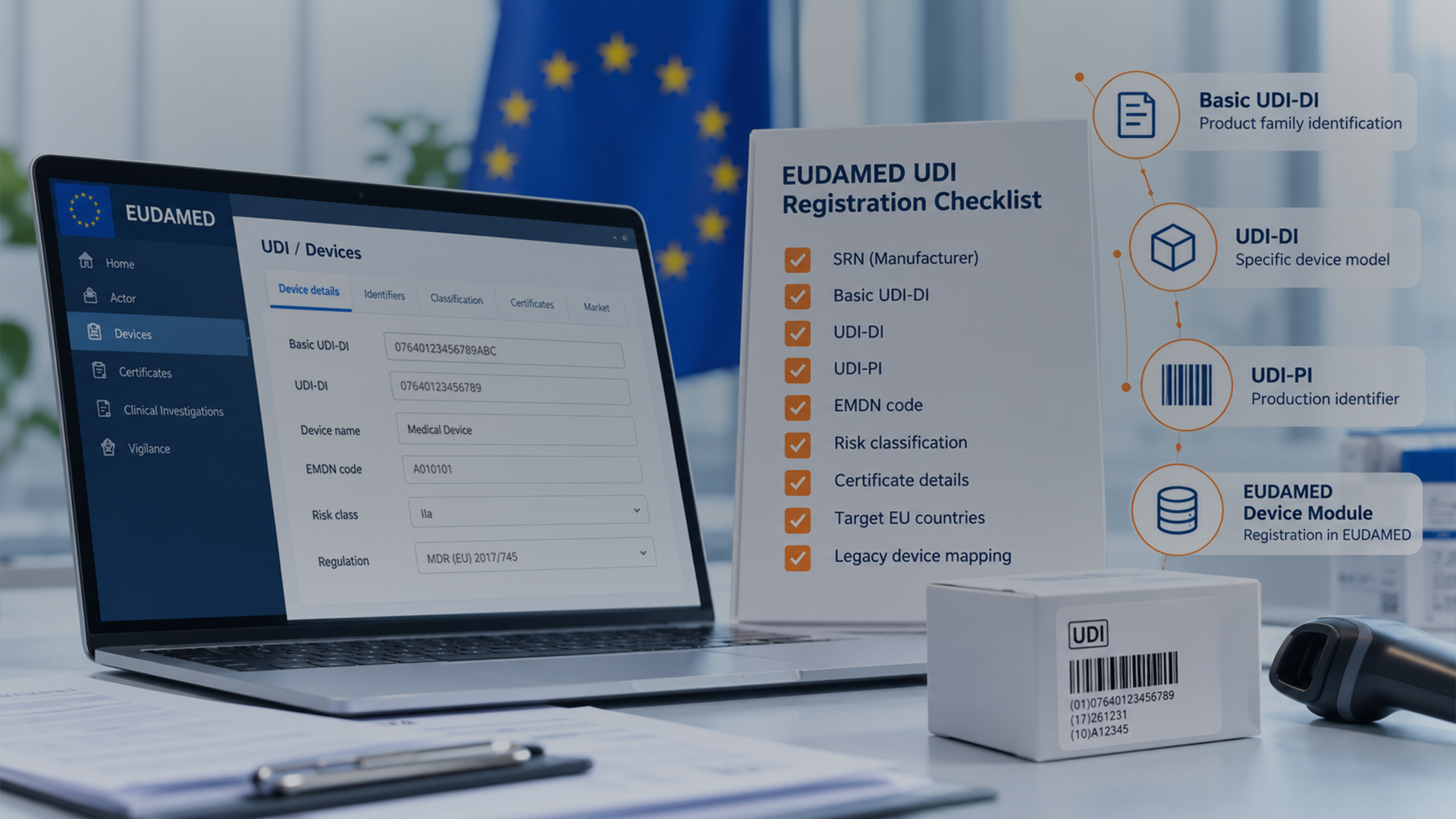
Reviews may include technical documentation, device classification, quality management systems, software lifecycle processes, cybersecurity, clinical evidence, post-market activities, regulatory submissions, and ongoing compliance obligations.
Regulatory gaps or unresolved compliance issues can significantly affect product timelines, market access, operational costs, and long-term business value. Due diligence helps organisations identify potential risks and remediation needs before major decisions are finalised.
(Existing FAQ from MedQAIR FAQ page — relevant to this service page)
Yes. MedQAIR supports regulatory submissions for the US (FDA), Canada (Health Canada), and other global markets. This includes preparing 510(k), De Novo, PMA, and Canadian licensing documentation, as well as aligning technical files for multi-market compliance.
Common findings include incomplete technical documentation, unclear device classification, unresolved nonconformities, inadequate clinical evidence, software lifecycle gaps, cybersecurity deficiencies, missing post-market documentation, and quality management system weaknesses. Identifying these issues early helps organisations understand potential remediation efforts and associated business risks.
A quality management system audit focuses on compliance with defined quality requirements and procedures. Regulatory due diligence takes a broader view by evaluating technical documentation, regulatory status, market access risks, software compliance, clinical evidence, cybersecurity considerations, and overall regulatory readiness in the context of business decisions.
Technical documentation provides evidence that a product has been developed, validated, and maintained in accordance with applicable regulatory requirements. Reviewing technical files helps identify documentation gaps, unsupported claims, missing evidence, or compliance risks that could affect market access, product valuation, or future regulatory activities.
Yes. AI-enabled products may be assessed for issues relating to governance structures, data management practices, software lifecycle controls, transparency requirements, cybersecurity considerations, and compliance with applicable AI-related regulations and standards. Early identification of these risks can support more informed investment and acquisition decisions.
Reviews typically assess software development procedures, change management activities, verification and validation records, traceability, maintenance processes, cybersecurity controls, and supporting documentation. The objective is to determine whether lifecycle activities support ongoing regulatory compliance and product maintenance obligations.
Following identification of gaps, organisations can prioritise remediation activities based on risk, business objectives, regulatory impact, and available resources. Remediation planning may include documentation updates, process improvements, additional testing, quality system enhancements, or regulatory strategy adjustments.

Yes. Regulatory due diligence can provide independent insight into the compliance status, regulatory maturity, and potential liabilities associated with products or organisations involved in licensing agreements, strategic partnerships, distribution arrangements, or technology transfers.
MedQAIR supports regulatory due diligence through compliance assessments, technical documentation reviews, quality management system evaluations, software and AI compliance assessments, cybersecurity reviews, regulatory gap analyses, and remediation planning. Our assessments help organisations understand regulatory readiness and potential compliance risks before critical business decisions are made.
Cookies help us improve your experience on our website. By using our site, you consent to the use of cookies as described in this policy.