Summary
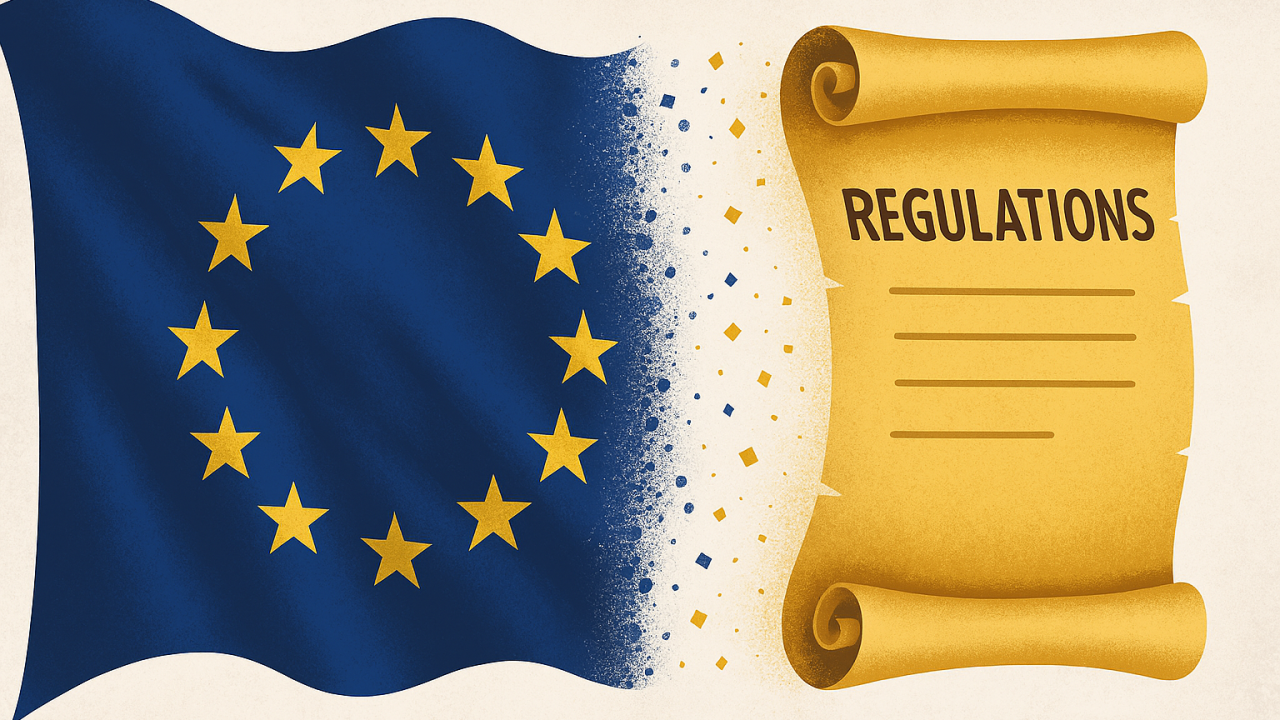
The EU Commission SaMD proposal introduces significant changes that could reshape the regulatory landscape for Software as a Medical Device and AI-enabled medical devices across Europe. Although the proposal still requires approval through the European legislative process, it provides an early indication of how future regulatory requirements may evolve for manufacturers developing innovative digital health technologies.
One of the most discussed elements of the EU Commission SaMD proposal is the revision of Rule 11 MDR, which has long been criticised for placing many software medical devices into higher risk classifications. The proposed wording seeks to create a more proportionate approach by aligning classification with clinical risk. However, several areas remain open to interpretation, particularly regarding software intended for non-serious situations. These ambiguities highlight the need for further refinement before the proposal can deliver greater regulatory certainty.
The proposal also presents a major shift for AI-enabled medical devices. Rather than applying the full scope of the AI Act alongside existing medical device legislation, the proposal would significantly reduce the AI Act requirements for products already regulated under the Medical Device Regulation and IVDR. This change could alter how manufacturers approach regulatory compliance, conformity assessment, and future AI governance within the European medical device framework.
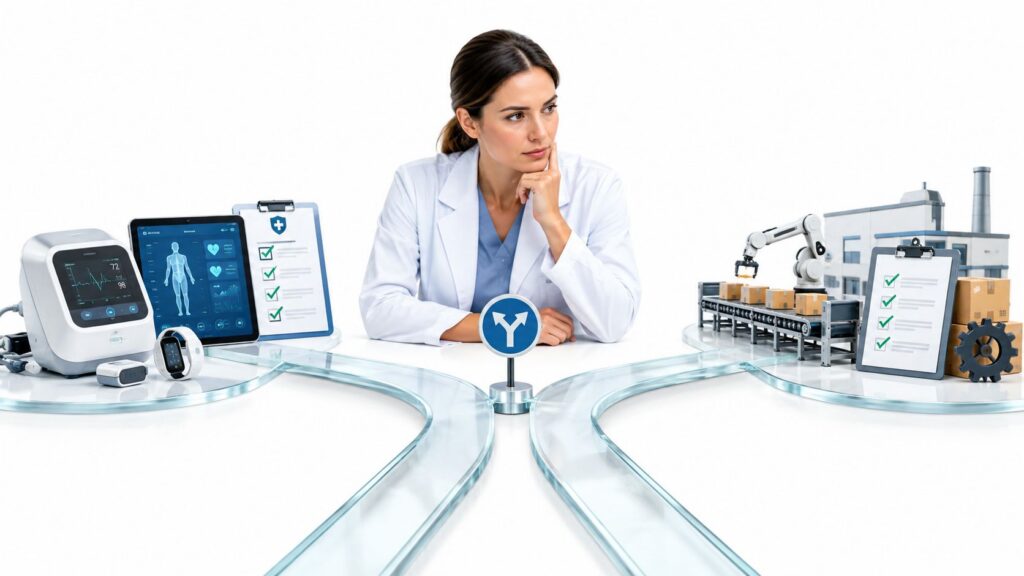
For medical device manufacturers, these developments raise important strategic questions. Organisations that have invested time and resources in AI Act readiness may need to reassess compliance plans as the legislative framework continues to evolve. At the same time, uncertainty remains around future AI-specific requirements, implementation timelines, and the role of additional guidance from the European Commission.
While the EU Commission SaMD proposal aims to simplify regulation and reduce unnecessary burden, its long-term impact will depend on the final legislative outcome and further clarification of key provisions. Organisations developing Software as a Medical Device and AI-enabled medical devices should continue monitoring these proposals closely to ensure their regulatory strategies remain aligned with future European requirements.
For a comprehensive legal and regulatory analysis, read Leon Doorn’s full LinkedIn article on The EU Commission’s proposed implications on SaMD and AI-enabled devices, where he examines the proposed Rule 11 revisions and the broader implications for AI-enabled medical devices in greater detail.